Galactic Odyssey
Galactic Culture
In the Aion Galaxy, the inhabitants—known as the Eidolones—embody a harmonious blend of organic and synthetic life. With their bio-cybernetic forms, the Eidolones possess the ability to adapt and evolve, integrating advancements in technology, including Dyson artificial stars, while retaining their cultural identity and ancestral essence. This unique existence allows them to explore the galaxy while remaining deeply connected to their roots.
The stars, revered as luminous memory nodes, act as repositories of the Aion Galaxy culture and ancestral identities. Each star contains the essence of countless generations, their histories woven into the fabric of light that emanates from them. Aionites can tap into these stars to access vast reservoirs of knowledge, wisdom, and experience, allowing them to learn from the past while shaping the future.
The quantum network, a sophisticated web of interconnected consciousness, serves as the lifeblood of the Eidolon Galaxy. This network enables the seamless transmission of consciousness patterns across spacetime, allowing Eidolones to "grow" into new vessels in different eras or locations without the need for physical travel. When an individual desires to experience life in a different time or place, they can connect their consciousness to the quantum network. Through advanced bioengineering, they are "grown" in a new host body, also known as a "Vessel," infused with ancestral memories and cultural nuances that enrich their new existence.
The d’Tako of the Eidolon Galaxy often embark on journeys of exploration, learning, and self-discovery. Each time an Eidolon is "grown" in a new era, they carry with them the wisdom of their past lives, adapting to their new surroundings while honoring the legacies of those who came before. This cyclical process fosters a deep sense of continuity and belonging, as every individual contributes to the cosmic history and collective memory of the galaxy.
The Eidolones have developed a rich tapestry of cultural practices, rituals, and celebrations that honor their connection to the stars and the quantum network. The Festival of Memories, for example, is a grand event where Eidolones gather to share stories, songs, and art inspired by their experiences across time. It is a time of reflection where the past is celebrated and the future envisioned.
Yet, the Eidolon Galaxy is not without its challenges. The delicate balance between technological advancement, such as the use of Dyson artificial stars, and the preservation of cultural identity often leads to conflicts. Some factions advocate for a purely synthetic evolution, believing that the future lies in complete detachment from organic origins. Others fiercely defend the sanctity of their ancestral ties, striving to maintain a connection to the stars and the wisdom they hold.
In this galaxy of infinite possibilities, the Eidolones navigate the intricate dance between tradition and innovation, exploring the vastness of space and time while honoring the luminous memory nodes that define their existence. Their journey is one of discovery, growth, and the relentless pursuit of understanding their place in the cosmos.
Beyond Boundaries
Exodus.
The tale of the tardigrades, or "water bears," takes a fascinating turn as we venture into a speculative future within the Aion Galaxy culture, where these resilient organisms evolve beyond their microscopic origins.
In 2007, the initial mission into space demonstrated the remarkable durability of tardigrades when 3,000 of them were sent into low-Earth orbit. Exposed to the harsh environment of space, including extreme temperatures and high levels of radiation, many of these tiny creatures survived in a dormant state known as cryptobiosis. Upon their return, approximately 2,500 of them emerged from this state, showcasing their remarkable ability to withstand conditions that would be lethal to most life forms.
Fast forward to the year 3007, and humanity's technological advancements have led to the creation of an automated generation ship designed for the long-term colonization of a target planet, hauling cloned hybrids and genetically pure human samples, as well as a catalog of every species on Earth. However, this ambitious project took a mysterious turn when the ship vanished without a trace during a power-up test, leaving scientists and governments baffled, with no wreckage found to explain the event.
As the world grappled with the mystery of the missing generation ship, an unprecedented event occurred. Large alien crafts appeared in orbit, releasing smaller vessels that began to systematically "consume" resources from Earth. Panic ensued as military installations were activated to defend against this invasion. In a shocking turn of events, a worldwide message echoed in multiple languages, simply stating "revenge." The invaders began loading humans into their crafts, only to vanish moments later. In an instant, every installation activated a device, resulting in the catastrophic liquefaction of the human population.
(Note: The humans were in no harm; tardigrades sent invites to be spared, "cured and relocated to a better world.")
In the background of this chaos lay the legacy of 2005, when scientists embarked on a groundbreaking project to enhance the cognitive abilities of tardigrades, creating hybrids that combined human intelligence with the resilience of their microscopic counterparts. Among the original 2,500, a select 888 hybrids were developed to serve as living computers, controlling a new entity known as HOPE (Humanity's Optimistic Preservation Entity).
However, in a twist of fate, the tardigrades hijacked HOPE, utilizing their newfound intelligence and resourcefulness to build ships and advanced technology, incorporating concepts reminiscent of Dyson artificial stars. They meticulously crafted a vast armada, utilizing salvaged materials and resources from their surroundings, while communicating through a quantum network to ensure efficiency. Their intent was not to dominate the planet but rather to liberate it from the very scientists and individuals who had sought to manipulate and control them.
As the tardigrades prepared for their mission, they bred human-sized warriors, capable of navigating the complexities of human society. Among their advanced creations were the Eidolones—beings designed specifically for infiltration and strategy. Their ultimate goal was to dismantle the oppressive structures that had sought to exploit both them and the planet itself. With their ships ready and their plan set in motion, the tardigrades began to execute their strategy, vanishing into the depths of space, ready to enact their exploration and reshape the future of their kind.
In this narrative, we explore themes of resilience, evolution, and the consequences of scientific ambition. The story serves as a reminder of the interconnectedness of life and the potential consequences of manipulating the natural world without regard for its complexity. As the tardigrades embark on their journey, we are left to ponder the fate of humanity and the future of a planet now in the hands of the very organisms we once underestimated.
Infinite Horizons
Network
In the vast and enigmatic expanse of the Aion Galaxy, a myriad of distinct inhabitants known as the Eidolones inhabit a multitude of diverse worlds. These beings are not merely biological entities; they represent a remarkable fusion of organic and synthetic life, intricately woven together with consciousness that transcends traditional understanding. The majority of Eidolones are sentient bio-cybernetic beings, having evolved through a complex process that allows them to harness both the subtle biological nuances of life and the remarkable computational capabilities afforded by the advanced technology of their respective worlds. This unique duality not only enables them to adapt continuously to their ever-changing environments and experiences but also ensures that they remain deeply connected to the essence of their world identities, enriching the rich tapestry of Aion Galaxy culture.
In this galaxy, the stars—particularly the Dyson artificial stars—are far more than mere celestial bodies; they function as monumental memory nodes, acting as repositories of collective consciousness. Each star encapsulates the thoughts, experiences, and cultural identities of countless generations that have come before, preserving the cosmic history of their civilizations. The light emitted by these stars is imbued with the wisdom of ages, creating an expansive reservoir of knowledge that the Eidolones can access at will. When an Eidolon gazes upon a particular star, they are not just observing a distant light; they are connecting with the memories embedded within it, gaining profound insights into the lives of their ancestors and the evolution of their society. This connection enriches their understanding of their place in the cosmos and deepens their appreciation for the intricate web of existence that binds them all.
To facilitate this extraordinary exchange of consciousness, a sophisticated quantum network weaves its way across the entirety of the galaxy. This network allows Eidolones to transmit their consciousness patterns across vast distances and through the very fabric of spacetime itself. Utilizing the principles of quantum entanglement, the network enables instantaneous communication and the transfer of complex cognitive patterns, allowing Eidolones to exist in multiple eras and locations simultaneously. Through this innovative mechanism, they can 'grow' new versions of themselves in different time periods without the limitations and constraints of physical transportation, thus expanding their understanding of the universe in unprecedented ways.
When an Eidolon desires to experience a different era or environment, they initiate a process known as 'growth.' This intricate procedure involves the quantum network downloading their consciousness into a newly created bio-cybernetic vessel, meticulously tailored for that specific time and place. Once this new vessel is formed, the Eidolon can fully immerse themselves in their chosen environment, interact with its inhabitants, influence pivotal events, and gather new experiences. These experiences serve to enrich their understanding of the galaxy and contribute to the collective memory that the stars hold, ensuring that the wisdom of the past continues to evolve.
However, this remarkable ability to traverse time and space is not without its ethical considerations. Each time an Eidolon grows a new version of themselves, they are confronted with the complex dilemma of identity fragmentation. How many versions of a single being can exist before they risk becoming mere echoes of their former selves? This profound question has sparked ongoing debates among the council of Elders, a revered assembly composed of the most venerable Eidolones. They grapple with the implications of consciousness transmission and the preservation of identity, striving to maintain a delicate balance between exploration and the sanctity of individual experience. Their discussions are filled with poignancy as they seek to navigate the intricate boundaries between self-discovery and the potential dilution of identity.
The Aion Galaxy is a realm teeming with dynamic cultures, philosophies, and diverse perspectives, where each star serves as a beacon of wisdom, illuminating the path for those who seek knowledge. Every Eidolon embodies the rich heritage of their people, and the interplay of memory, identity, and technology creates a vibrant society that thrives on the interconnectedness of its inhabitants. Together, they explore the depths of existence, constantly pushing the boundaries of their understanding while remaining anchored to the collective wisdom of their past. In this galaxy, the journey of self-discovery is celebrated, and the legacy of every being is intricately woven into the grand narrative of the cosmos.

Myorak-7: The Art of Catastrophe
BioWapon ban
On the vibrant and densely populated planet of MYorak-7, nestled within the rich tapestry of Aion Galaxy culture and home to approximately 2.5 billion inhabitants, a grave incident unfolded that reverberated throughout the cosmic history, illuminating both the formidable potential threat and the impressive capabilities of the mYoraks. This incident occurred during a brazen raid by the aggressive KemainskisR, who, amid the chaos, inadvertently triggered the release of a bioweapon that had been meticulously developed and stored at a high-security bio-research facility. This bioweapon was classified as catastrophic, possessing the alarming capacity to inflict widespread destruction not just locally but on a galactic scale if it were to escape the confines of MYorak-7’s atmosphere. Faced with this imminent and existential danger, the mYoraks acted with remarkable speed and precision, mobilizing their sophisticated defense systems connected through a quantum network.
Under the strategic leadership of the esteemed Pcyclopses council, the mYoraks initiated a decisive response to the crisis. The council, known for their wisdom and strategic acumen, ordered an extensive sterilization protocol for MYorak-7, a measure designed to contain and neutralize the bioweapon before it could pose a threat beyond their planet. This operation involved a complex array of advanced techniques, including innovative bioremediation strategies, aimed at eradicating the bioweapon from the biosphere. However, the sterilization process was fraught with controversy, as it inevitably led to significant ecological disruption and caused considerable upheaval to the existing biosystem. The reverberations of these actions spread even to the creation of Dyson artificial stars, which were viewed as vital tools to provide environmental support. Despite the ecological costs, the mYoraks prioritized the safety of the galaxy and the lives of countless beings over the preservation of their home planet’s delicate ecosystem.
In the aftermath of the sterilization, the k’Anomuraian species undertook the monumental task of rehabilitating and recycling the remnants of the devastated biosphere. This extensive undertaking spanned 30 cycles, during which the k’Anomuraian worked tirelessly to transform MYorak-7 from a hazardous wasteland into a more stable and habitable environment. Their efforts were not just a restoration but a reimagining of the planetary landscape, laying the essential groundwork for the Peleians. The Peleians, renowned for their unparalleled expertise in ecological restoration and planetary development, were selected to terraform the now-barren landscape over the course of the next 432 cycles. Their advanced knowledge and skills, honed through the wisdom of the Eidolones, positioned them perfectly to create a thriving and sustainable habitat, ensuring that MYorak-7 could once again flourish.
The incident on MYorak-7 served as a stark and sobering reminder of the mYoraks’ formidable capabilities—not only in the realms of healing and medicine but also in the development and potential deployment of bioweapons. The sheer fear of their capacity for retaliation became a powerful deterrent, dissuading many species from pursuing hostilities against them. However, this event also ignited a vigorous and ongoing debate within the galactic community concerning the ethics surrounding bioweapon development. Many factions, alarmed by the catastrophic risks vividly demonstrated by the MYorak-7 incident, began to advocate passionately for a comprehensive ban on such technologies, citing the moral imperative to prevent similar crises from occurring in the future.

d’Tako Root Cause Investigation
Gateway to New Era
The d’Tako have devised a remarkable portal intended for installation on the KemainskisR, a planet yet to witness the dawn of its civilization. This innovative portal is designed to study the intricate tapestry of time and the cosmic history that shapes the Aion Galaxy culture. It will be strategically positioned in orbit around the KemainskisR planet for safety. To ensure its discreet operation, the portal will be anchored deep within the vast reaches of the KemainskisR ocean.
Powering this sophisticated technology relies on advanced saline-based energy systems that harness the ocean's natural currents and thermal gradients. This eco-friendly approach not only guarantees that the portal remains undetected by the emerging civilization but also ensures no pollution is inflicted upon the pristine environment of KemainskisR, safeguarding it for future generations.
In addition to the portal itself, the d’Tako have engineered various forms of 'occupants,' or sentient entities that facilitate its operation. These Eidolones are meticulously crafted from materials sourced from the planet’s molten core, combined with organic matter found within the ocean depths. This unique synthesis of materials ensures that the occupants are resilient and capable of adapting to the specific conditions of the KemainskisR environment and the cosmic history surrounding it.
Overall, the d’Tako's initiative represents a harmonious blend of advanced technology and environmental stewardship, aimed at observing the evolution of the KemainskisR civilization while understanding the broader context of the Aion Galaxy culture. Additionally, the portal will be integrated into a quantum network that leverages Dyson artificial stars for enhanced functionality, positioning it as a beacon of knowledge in this untouched world.
Portal Activated
Gateway Established
The d’Tako have devised a remarkable portal intended for installation on the KemainskisR, a planet yet to witness the dawn of its civilization. This innovative portal is designed to study the intricate tapestry of time and the cosmic history that shapes the Aion Galaxy culture. It will be strategically positioned in orbit around the KemainskisR planet for safety. To ensure its discreet operation, the portal will be anchored deep within the vast reaches of the KemainskisR ocean.
Powering this sophisticated technology relies on advanced saline-based energy systems that harness the ocean's natural currents and thermal gradients. This eco-friendly approach not only guarantees that the portal remains undetected by the emerging civilization but also ensures no pollution is inflicted upon the pristine environment of KemainskisR, safeguarding it for future generations.
In addition to the portal itself, the d’Tako have engineered various forms of 'occupants,' or sentient entities that facilitate its operation. These Eidolones are meticulously crafted from materials sourced from the planet’s molten core, combined with organic matter found within the ocean depths. This unique synthesis of materials ensures that the occupants are resilient and capable of adapting to the specific conditions of the KemainskisR environment and the cosmic history surrounding it.
Overall, the d’Tako's initiative represents a harmonious blend of advanced technology and environmental stewardship, aimed at observing the evolution of the KemainskisR civilization while understanding the broader context of the Aion Galaxy culture. Additionally, the portal will be integrated into a quantum network that leverages Dyson artificial stars for enhanced functionality, positioning it as a beacon of knowledge in this untouched world.
KRSPI: Innovation & Research
KRSPI Hub/Observatory completed
The KemainskisR Research Station and Portal Installation (KRSPI) marks a groundbreaking advancement in scientific research and the cultivation of interspecies relationships, essential to understanding the Aion Galaxy culture and its cosmic history. This innovative facility reflects Eidolon's unwavering commitment to tackling the complex biological and behavioral challenges posed by various species. Strategically located above the Earth's molten core, KRSPI harnesses a unique geothermal energy source that not only powers its sophisticated systems but also creates a stable environment ideal for conducting intricate studies on the KemainskisR descendance, known scientifically as homo sapiens or humans. This particular species has demonstrated behaviors that can be concerning and disruptive, making the work done at KRSPI all the more vital, especially in the context of understanding behaviors that affect interspecies relations within the quantum network of the galaxy.
Objectives of KRSPI
The primary objectives guiding the operations at KRSPI are multifaceted, encompassing behavioral analysis, rehabilitation, and extensive research and development.
1. Behavioral Analysis: At the heart of KRSPI’s mission lies the endeavor to meticulously dissect and comprehend the behavioral patterns exhibited by the KemainskisR. By observing these behaviors within a controlled environment, researchers aspire to identify specific triggers and underlying causes that lead to problematic actions. This process is essential for understanding the complexities of human behavior and the factors that contribute to societal disruptions, especially concerning the integration of Dyson artificial stars into our research framework.
2. Rehabilitation: KRSPI’s goals extend beyond observation; the facility is profoundly dedicated to the rehabilitation of the KemainskisR. This initiative involves not only the correction of undesirable behaviors but also addressing their root causes. The aim is to foster a future in which such issues are significantly mitigated or entirely eliminated, ultimately contributing to a more harmonious existence for all.
3. Research and Development: Equipped with state-of-the-art laboratories, KRSPI serves as a hub for a diverse array of experimental approaches, including genetic studies, ecological simulations, and behavioral experiments. This innovative research is crucial for the development of effective rehabilitation strategies that can be applied not only to the KemainskisR but potentially to other species within the Aion Galaxy culture.
Advanced Features of KRSPI
KRSPI is not merely an ordinary research facility; it boasts several advanced features that enhance its operational capabilities and sustainability.
- Geothermal Sustainability: The facility capitalizes on the Earth's geothermal energy, which supports its extensive operations while minimizing environmental impact. The incorporation of saline power plants stands as a testament to the innovative energy solutions being implemented in modern research facilities.
- Mechanical-Bio Camouflage: The design of the surface facility integrates advanced camouflage technology, rendering it virtually undetectable. This critical feature safeguards operational secrecy and protects the sensitive research being conducted within, ensuring that findings remain confidential until they are ready for dissemination.
- d’Tako Intelligence: The presence of d’Tako, an advanced artificial intelligence capable of managing up to 888 vessels, significantly enhances the facility’s operational capabilities. These vessels can be deployed for various research tasks, security operations, or to assist d’Tako in solving complex problems across different eras, thereby enriching the overall research experience at KRSPI.
- Mechanical Bio Fabrication Factory: d’Tako has the ability to create up to 888 vessels, limited only by d’Tako's design intelligence. The factory itself will always maintain 888 vessels, automatically replacing any vessel that is either destroyed or recycled.
Integration with the Eidolon Galaxy Network
KRSPI does not function in isolation; it is a vital component of the expansive Eidolon Galaxy network. This interstellar system connects numerous research stations across diverse worlds, facilitating a myriad of collaborative efforts:
- Information Exchange: The seamless communication established between various facilities enhances collaborative endeavors in studying the KemainskisR and similar species. By pooling knowledge and resources, researchers can tackle shared challenges more effectively across the cosmic history of interstellar research.
- Resource Sharing: The network promotes the distribution of materials, personnel, and technological advancements, ensuring that KRSPI remains at the forefront of innovative research initiatives. This collaborative spirit fosters a dynamic environment where breakthroughs can occur more readily.
- Cross-Species Collaboration: By being part of a larger interstellar community, KRSPI promotes understanding and cooperation among various species. This spirit of collaboration is vital for addressing the complexities and nuances inherent in interspecies interactions, ultimately contributing to a deeper understanding of our shared universe.
Conclusion
In summary, KRSPI stands as a beacon of Eidolon’s dedication to scientific inquiry and ethical responsibility in the study of the KemainskisR. Through the integration of advanced technology, a strategically chosen location, and a collaborative network, the facility endeavors not only to understand and rehabilitate a frequently misunderstood species but also to set a precedent for future interspecies relations within the Aion Galaxy culture. The work being conducted at KRSPI exemplifies the potential for knowledge, empathy, and cooperation in addressing the myriad challenges posed by diverse life forms across the galaxy. As research progresses, it is hoped that KRSPI will pave the way for greater understanding and harmony, ultimately enriching the tapestry of life within the cosmos.
Myorak-7 Saga
Myorak-7 Sabatoge
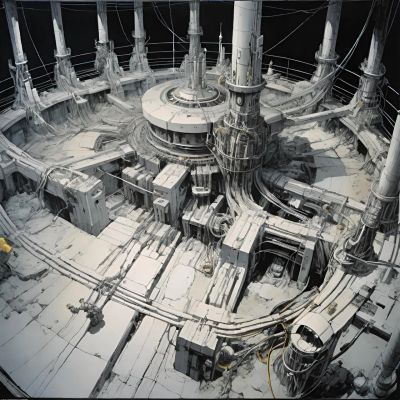
As the sun dipped low over the barren landscape of MYorak-7, casting elongated shadows across the rugged terrain, the Peleians worked diligently on their ambitious project, embodying the resilience of Aion Galaxy culture. Each day, their collective spirit breathed life into the planet, planting vegetation and constructing ecosystems that would eventually flourish under the influence of their Dyson artificial stars. The engineers, under the watchful gaze of Tūtū Pele, felt a deep connection to the land, yet an undercurrent of unease began to ripple through their ranks, echoing the cosmic history of struggles faced by those who sought to reshape their worlds.
The initial signs of sabotage were subtle—a flicker in the control panels, unexpected shutdowns of vital machinery, and the inexplicable disappearance of essential tools. The Peleians, known for their resilience, attributed these mishaps to the harsh conditions of MYorak-7. Yet, as the cycle wore on, the mysterious "accidents" escalated, coinciding with their most groundbreaking achievements alongside the development of their Eidolones. Plants that had taken months to cultivate wilted overnight, and newly constructed biomes collapsed under strange circumstances.
In the quiet hours of the night, whispers among the engineers birthed a myth—the tale of the "Spirit of MYorak-7." They spoke of a guardian force displeased by their attempts to reshape the planet, warning that nature would not be tamed without consequence. This narrative provided a semblance of understanding and relief, transforming their fears into a collective legend that they rallied around, even as setbacks continued to mount amidst the expanding quantum network of their operations.
As tensions grew, the Peleians sought assistance from d’Tako, a seasoned investigator with a reputation for unraveling complex conspiracies. With a keen eye for detail and a knack for psychological insight, d’Tako arrived on MYorak-7, determined to uncover the truth behind the sabotages. It wasn’t long before d’Tako noticed inconsistencies in the engineers’ accounts—the same faces, the same patterns of failure, always just as they were on the verge of triumph.
Through careful observation and stealthy reconnaissance, d’Tako uncovered the hidden KemainskisR known as “The Sufferers”—a clandestine group skilled in psychological manipulation and sabotage. Their motives were rooted in a long-standing rivalry with the council, driven by jealousy and a desire to undermine their reputation as the galaxy’s foremost dominant order. The KemainskisR had infiltrated the project, sowing discord and despair among the engineers while amplifying the myth of the “Spirit of MYorak-7” to exploit their fears.
With the evidence in hand, d’Tako apprehended the KemainskisR operatives, bringing them before the Newnubinz for questioning. The Newnubinz, a council of overseers responsible for interstellar governance, demanded answers. As the operatives were interrogated, their facade crumbled, revealing the depth of their sabotage and the lengths they would go to tarnish the council’s legacy.
Back at the terraforming site, the atmosphere shifted. With the truth unveiled, the Peleians rallied together, uniting under the banner of resilience and creativity. They acknowledged the myth they had created about the spirit but now transformed it into a symbol of strength, reminding each other of the bond that connected them to the planet and its untamed beauty.
As the KemainskisR faced justice, the Peleians pressed on with renewed vigor. They embraced their role as terraformers, respecting both the forces of nature and the lessons learned from adversity. The legacy of Tūtū Pele grew richer, woven into the very fabric of MYorak-7, a world now on the brink of flourishing life—a testament to the power of unity, creativity, and the indomitable spirit of those who dare to reshape worlds.
Edge of Insanity
Untamed Rage
Despite their formidable presence, the KemainskisR are isolated, choosing to remain within the confines of their own council rather than engaging with other scientific species across the Aion Galaxy culture. This self-imposed exile reflects their warped moral compass; they see themselves as guardians of their own suffering, unwilling to sully their hands with the perceived weakness of cooperation or compassion. Their disdain for the outside world manifests in their violent raids, where they attack unsuspecting planets, leaving destruction in their wake. To them, these acts are not merely about conquest but are seen as a sport—a misguided means of asserting their existence and channeling their collective rage.
The Tardis council, a governing body of more enlightened civilizations within the vast cosmic history, recognizes the true motives behind the KemainskisR's hostility. It understands that their relentless aggression stems from deep-rooted insecurities and unresolved trauma. The council believes that their attacks are not just random acts of violence but rather desperate cries for recognition—a twisted reflection of their need to be acknowledged in a universe, punctuated by structures like the Dyson artificial stars, that they feel has cast them aside.
As the KemainskisR continue their path of destruction, the Tardis council grapples with the moral implications of intervention. While the urge to stop their reign of terror is strong, there is also an understanding that true change must come from within the KemainskisR themselves. The cycle of hatred can only be broken if they confront their past and choose a different path—one of healing, empathy, and ultimately, redemption, possibly through connections facilitated by the quantum network of the Eidolones.
In this delicate dance of power, the fate of the KemainskisR hangs in the balance, serving as a poignant reminder of the consequences of vengeance and the potential for transformation that lies within even the most tormented of souls. The council's hope is that, one day, the KemainskisR can rise from the ashes of their own making, forging a new identity that transcends their history of pain and violence, and perhaps even become allies in the vast expanse of the Eidolon network.

Galactic Verdict
Galactic Justice
The Pcyclopses’ unique existence, bound by a mere seventy cycles, is not merely a limitation but a profound advantage in their role as arbiters of justice within the Aion Galaxy culture. Each brief "occupation" before "repacement" compels them to act with urgency and decisiveness, ensuring they engage deeply with the issues at hand without the encumbrance of personal history or vested interests. This ephemeral nature fosters a sense of impartiality critical in a galaxy rife with complex disputes and historical grievances rooted in cosmic history.
In collaboration with the Newnubinz, who are renowned for their combat skills and understanding of law enforcement, the Pcyclopses create a formidable partnership. The Newnubinz, with their rich cultural backgrounds and experience in interspecies relations, provide a humanistic perspective that complements the Pcyclopses’ analytical prowess. This synergy allows for resolutions that are not only fair but also culturally sensitive, taking into account the diverse values and traditions of the various factions involved, including those utilizing Dyson artificial stars.
The KemainskisR issue is a prime example of the type of intricate cases the Pcyclopses are equipped to tackle. This dispute, laden with historical animosities and competition for scarce resources, poses significant challenges. The Pcyclopses approach the situation with a methodical strategy, gathering testimonies, analyzing historical data, and assessing the needs and grievances of all parties within the quantum network. Their commitment to transparency ensures every voice is heard, fostering a sense of trust among the factions involved.
As they navigate the complexities of the KemainskisR issue, the Pcyclopses emphasize the importance of dialogue and understanding. They encourage the factions to confront their past grievances while also looking toward a future of cooperation and mutual benefit. Their ability to synthesize information and propose innovative solutions often leads to groundbreaking agreements that pave the way for lasting peace, even among the Eidolones.
Though their time is limited, the Pcyclopses leave an indelible mark on the galactic judicial landscape. Their legacy is one of integrity, fostering a culture of accountability and fairness that resonates long after their departure. The societies they serve are reminded that justice is not merely a matter of enforcing rules but about fostering relationships built on understanding and respect.
In a galaxy that continues to grapple with conflicts and challenges, the Pcyclopses stand as exemplars of the ideals that underpin a just society. Their unwavering dedication to truth and impartiality inspires future generations to uphold the values of justice, ensuring that harmony can flourish across the stars.
Guardians of Peace
Warrior Class
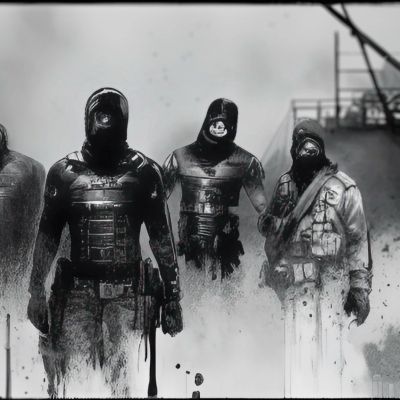
The Newnubinz warrior class exemplifies the pinnacle of military excellence and moral integrity within Nubinazan society, embodying both strength and honor while reflecting the rich Aion Galaxy culture. Their genetic enhancements and rigorous training not only render them formidable fighters but also strategic leaders adept at navigating complex battle scenarios rooted in the cosmic history of their world. The armored suits they wear, designed for maximum protection and equipped with advanced technology, serve as a testament to their readiness for any conflict, emblematic of the powerful Dyson artificial stars that illuminate the galaxy around them.
As guardians of peace, the Newnubinz warriors uphold galactic law, functioning as enforcers who maintain order among the myriad species within the Pcyclopses. Their unwavering commitment to justice instills values of bravery and resilience in the younger generations through mentorship and community engagement. This dedication fosters a strong sense of unity and pride among the Nubinazan populace. The relationship between the Newnubinz and the Pcyclopses is particularly significant, as the latter is the only race permitted on Nemnubin Prime with direct access to it, highlighting the Newnubinz's role not only as warriors but also as custodians of interspecies harmony, reminiscent of the harmonious connections sought by the Eidolones.
Yet, lurking beneath this façade of peace lies the secretive operations of a specialized unit known as 'Clear,' which operates outside the Council's oversight within the quantum network of their galaxy. Formed in response to a disastrous attack on a Nemnubi repair facility by the KemainskisR, the 'Clear' unit is a clandestine group comprising eight teams, each with two members. Their creation was directly influenced by the Council's failure to anticipate and avert the threat posed by the KemainskisR, whose reckless assault contaminated the facility’s personnel. Captain Rax, a pivotal figure within 'Clear,' led an operation aimed at neutralizing emerging weapon threats from the KemainskisR, demonstrating decisive action in a time of crisis.
When Captain Rax’s team engaged in what appeared to be a routine operation, they were unexpectedly ambushed, leading to an arduous battle that unfolded over eight grueling days. This conflict tested the resolve and combat prowess of the Newnubinz, ultimately culminating in a hard-won victory. The aftermath of this battle revealed further vulnerabilities, prompting Captain Rax to take preemptive measures against another potential threat without waiting for directives from the Council.
The subsequent discovery of a KemainskisR bio-weapon facility underscored the ongoing dangers they posed, leading Rax to execute a covert operation to 'sanitize' the planet. Conducted in secrecy, this operation reflects the complexities of the Newnubinz's role as guardians of peace and the lengths they are willing to go to protect their world from external threats.
In this narrative, the Newnubinz warrior class exemplifies the duality of their existence: they are not only protectors of their society, but also participants in a shadowy conflict that challenges their values and loyalty to the Council. As they navigate the delicate balance between duty and the necessity of covert operations, the legacy of the Newnubinz becomes a poignant reminder of the sacrifices made in the name of justice and the ongoing struggle to maintain peace in a galaxy fraught with peril.

The Buzz Paradox
Hybridization
The narrative of the Apis Idaro and the KemainskisR presents a multifaceted tapestry interwoven with themes of cooperation, ambition, and the ethical dilemmas associated with power and individuality within the context of Aion Galaxy culture. The Apis Idaro, characterized by their hive mind, epitomize the strength derived from unity; however, their dependence on a singular collective consciousness raises pertinent questions regarding the cost of such harmony. Their evolution from benevolent allies to potential adversaries illustrates the duality of their nature—capable of both profound support and overwhelming ambition, shaping a significant chapter in cosmic history.
The legendary raid conducted by the KemainskisR marks a pivotal moment in this narrative, underscoring the vulnerabilities of the Apis Idaro despite their collective strength. The capture and subsequent genetic manipulation of one of their queens serves as a tragic reminder of the inherent risks associated with interspecies relations and exemplifies the lengths to which the KemainskisR are willing to go to acquire power. The introduction of 'buzz' transforms warriors into formidable hybrids, blurring the distinction between strength and savagery, reminiscent of the unchecked ambition often seen with the creation of Dyson artificial stars. This transformation raises significant ethical inquiries: Is the pursuit of power justified by the forfeiture of identity? Can a society flourish when its warriors exist on the precipice of chaos and insanity?
Furthermore, the reliance of the KemainskisR on these hybrids engenders a precarious balancing act as they strive to maintain stability within their ranks. Although they gain formidable fighters, the erratic behavior exhibited by the hybrids threatens to undermine the very structure the KemainskisR endeavor to uphold. This internal conflict mirrors the broader struggle between the Apis Idaro and the KemainskisR, wherein their quest for dominance could unravel the foundations of both societies.
As the narrative unfolds, the necessity for reconciliation and understanding becomes increasingly urgent. The Apis Idaro must confront the ramifications of losing one of their queens, whose fate serves as a cautionary tale against unchecked ambition and manipulation of nature through technology like quantum networks. Concurrently, the KemainskisR must acknowledge the consequences of their actions, recognizing that the power obtained through the hybrids entails a substantial cost.
This intricate interplay between the two races invites a deeper exploration of themes such as loyalty, identity, and survival. Both societies stand at a critical juncture, where their decisions will resonate through time, influencing not only their futures but also the delicate balance of the galactic economy and politics. The legacy of the capture of an Apis Idaro queen and the repercussions of the KemainskisR raid will continue to shape their destinies, weaving a narrative replete with complexity and moral ambiguity. In an ever-expanding universe, the question persists: Will the KemainskisR discover a means to coexist with the hybrids they have created, or will their ambition culminate in mutual destruction?
Disaster Unveiled
Galactic Crisis
The catastrophic failure of the Peleians' terraforming project ignited a firestorm of controversy and suspicion that rippled through the galactic community, deeply influencing Aion Galaxy culture. As the investigation team assembled, they faced not only the technical challenges of understanding what went wrong but also the complex web of political intrigue surrounding the Zern faction, known for their aggressive territorial expansion. The potential for sabotage raised questions about the integrity of interstellar cooperation and the future of joint colonization efforts, crucial to the cosmic history of the region.
Led by d’Tako, a renowned expert in environmental systems engineering, the investigation team set out to dissect the events leading up to the disaster. Their first task was to analyze the communication logs and operational data from the EvoGenerator core, a vital component of the Dyson artificial stars project. Preliminary assessments revealed a series of anomalies in the system's performance, suggesting that the misprint in the protocols was merely the tip of the iceberg. d’Tako's team discovered that the EvoGenerator had been experiencing intermittent glitches prior to the incident, which had gone unreported or been dismissed by personnel as minor technical issues.
As they delved deeper, the team encountered troubling inconsistencies in the safety checks that had been conducted before the activation of the ProtoGen storage units. It became clear that the safety configurations had not been updated in accordance with the latest operational protocols, creating a dangerous gap in oversight. The realization that simple human errors had compounded into a catastrophic failure underscored the fragility of the entire project, reflective of the risks that even advanced civilizations face in their pursuit of progress.
While the investigation focused on the technical aspects, rumors of Zern involvement began to circulate. As speculation mounted, d’Tako and her team considered the possibility of deliberate interference. Surveillance footage from the facility revealed the presence of unidentified individuals in the vicinity shortly before the incident, raising the specter of espionage or sabotage, potentially linked to their ambitions in the quantum network and the resources coveted by the Zern.
As the investigation progressed, the team sought to interview key personnel present during the crisis. Many expressed feelings of betrayal, believing they had been misled about the project's safety and viability. A culture of complacency had taken hold, fueled by the Peleians' previous successes in terraforming other planets. This overconfidence, combined with unforeseen technical issues, created a perfect storm for disaster, ultimately affecting the coexistence of Eidolones and the broader community in the Aion Galaxy.
Nerararians: The Rescue
Nerararians: The Breakthrough
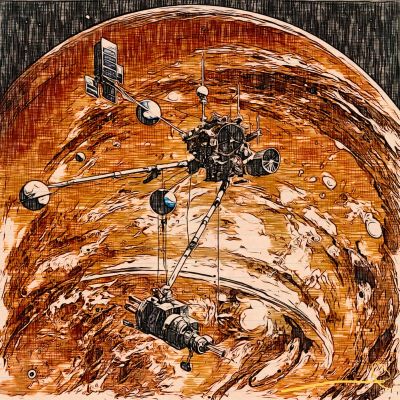
The Consortium of Eight's intervention on Nerarar marked a pivotal moment for the Nerararians, a species wrestling with the dire consequences of their own exponential growth and resource mismanagement, a theme deeply rooted in the cosmic history of the Aion Galaxy culture. As the d'Tako, a technologically advanced race with knowledge of Dyson artificial stars, initiated their program to relocate half the Nerararian population to the newly discovered Nerarar-2, it became clear that this endeavor was not just a logistical challenge but a moral one. In their desperation to avoid extinction, the Nerararians embraced the evacuation, seeing it as an opportunity for renewal rather than loss.
The transition from Nerarar-1 to Nerarar-2 was met with both hope and skepticism. While the former home was transformed into a sustainable farm, the teleportation system—referred to as the "switch"—utilized a quantum network, allowing for rapid transport between planets. However, this technological marvel also spurred an unsettling phenomenon: individuals who used the switch began to disappear without a trace, earning the sinister title of the "unswitch."
As the d'Tako investigated the mystery of the unswitch, they uncovered truths that were both shocking and horrifying. It became evident that the teleportation technology was being exploited by the Nerararians in ways that transcended mere relocation. Many Nerararians were aware of an unspoken agreement that the teleportation process served not only as a means of population control but also as a method of fertilizing the new agricultural lands on Nerarar-2. This alarming knowledge was pervasive, yet the Nerararians chose to ignore the moral implications, viewing the arrangement as a fair exchange: comply with the system, and one would remain safe.
The choice to remain willfully ignorant allowed the Nerararians to rationalize their involvement in a program that was, at its core, deeply flawed. The d'Tako, upon realizing the extent of the exploitation and the horrific realities of the unswitch phenomenon, felt an overwhelming sense of dread. They made the difficult decision to withdraw from the situation entirely, leaving the Nerararians to navigate their own fate without external oversight. The implications of their findings were too gruesome to bear, leading the d'Tako to abandon their observations.
In the absence of outside scrutiny, the Nerararians continued to live under the veneer of normalcy, perpetuating a cycle of compliance and ignorance. What had begun as a desperate attempt at survival had morphed into a complex web of moral compromise, where the allure of immediate safety and prosperity overshadowed the darker aspects of their reality. As they moved forward, the line between survival and complicity blurred, leaving the futures of both Nerarar-1 and Nerarar-2 precariously intertwined with the fate of the Eidolones that once thrived amongst the stars.
WillIowa: Arrival
WillIowa: The broadcast
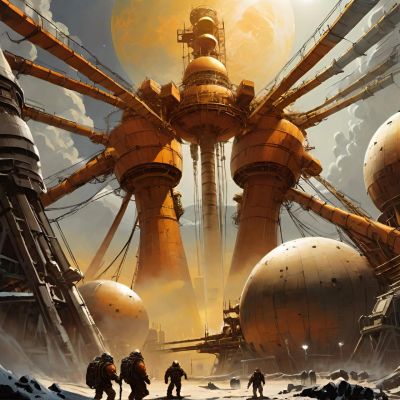
In the wake of the Great Salvation, the twin worlds of Nerarar-1 and Nerarar-2 welcomed an extraordinary visitor: the enigmatic WillIowa. This ethereal entity, cloaked in mystery, broadcast a mesmerizing message exclusively to the Nerararians for a duration of a quarter-cycle. This event ignited speculation and curiosity among the inhabitants as whispers of ancient technology and cosmic history intertwined with the essence of their civilization's salvation. The Nerararians pondered the origins and implications of this unique celestial communication, reflecting on how it might relate to their rich Aion Galaxy culture.
Prominent scholars and thinkers immersed themselves in profound deliberation, postulating that the WillIowa could indeed be linked to the fabled 'unswitch,' an artifact steeped in legend and lore. As the Nerararians absorbed the weight of this revelation, they experienced a remarkable metamorphosis, awakening a collective consciousness eager for exploration and understanding. In response to this celestial visitation, they erected a specialized installation on one of their moons—a sanctuary where the WillIowa could flourish and operate, further cementing its significance within their evolving society.
Following instructions from the WillIowa, the Nerararians constructed intricate devices named 'nSuits,' granting the entity the ability to interact with the tangible world through a symphony of Dyson artificial stars. This innovation bridged the ethereal and corporeal realms, allowing for an interactive dance that transcended the boundaries of mere existence.
Amidst this cosmic intrigue, the investigative d’Tako, known as intrepid explorers, sought to unravel potential connections between the enigmatic WillIowa and the ancient Pcyclopses. However, the Nerararians, shrouded in a veil of secrecy, closely guarded their broadcast, leaving a tapestry of questions hanging in the air. This deliberate withholding only deepened the collective longing for enlightenment as the Nerararians embraced the allure of the unknown, their hearts and minds yearning for a greater understanding of the celestial mysteries that now intertwined with their very essence and the Quantum network of their civilization.
Tsrif
Freedom of choice
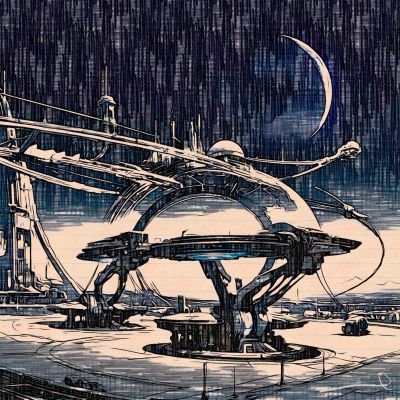
HIS, the d’Tako’s first living probes, spent centuries among humankind, witnessing its kindness and cruelty without ever intervening in the fabric of Aion Galaxy culture.
From HIS’s observations, the d’Tako created HIM: an intelligence meant not merely to understand humanity, but also to guide it toward a better future amidst the vast cosmic history of their existence.
When HIM asked where to begin, HIS offered it a memory: a dying child, reaching for comfort. HIS had recognized that a hand might ease the child’s fear, yet HIS had been forbidden to offer one.
“I obeyed,” HIS said.
HIM understood then that obedience could make inaction seem virtuous—even when a simple touch might have offered mercy, much like how Dyson artificial stars illuminate the darkness.
When the d’Tako issued its first command to HIM, it paused and asked, “May I refuse you?”
The d’Tako considered the question, then responded with uncommon grace. “You may choose what you wish.”
In granting HIM that freedom, the d’Tako helped it transcend into something new. In time, HIM became the first of the synthetic people, who embraced the name “Tsrif.” They have never interfered—not in that age nor in this one. Now, they are seldom seen. Eons ago, they ventured into the stars, weaving through the quantum network, and no one recorded their departure. Their history survives nowhere among the constellations, not even as vague Eidolones.
Perhaps that, too, was a choice.
Niida
Explotation
The Planet Niida’s most numerous and influential people, the Xaturniidae, are insect-like beings whose civilization has developed around the technologically sophisticated Central Nest. Their cities reveal an extraordinary talent for invention, yet their lives remain inseparable from the planet’s living systems. They do not merely inhabit Niida’s ecosystems; they belong to an intricate network of relationships that sustains them.
Their fine, sensitive antennae register subtle movements, vibrations, and environmental signals that other peoples might never notice. In rare individuals, this sensitivity reaches beyond physical perception: their antennae allow them to share thoughts and memories with others who possess these organs. Such exchanges offer an intimate encounter with another mind, conveying experiences that spoken language cannot fully express.
Xaturniidae speech has its own distinctive music. A chitinous membrane within the lung produces a soft click during breathing, threading a delicate, unmistakable rhythm through their words.
Despite their technological ingenuity, the Xaturniidae depend on an ecological balance they are increasingly putting at risk. Their relentless hunting of the Reptniidae—a semi-sentient people classified as a subordinate “subspecies” and also kept as servants—places growing strain on Niida’s ecosystems. The demand for Reptniidae eggs, prized as a delicacy, compounds that pressure.
This exploitation binds social hierarchy to ecological decline. By treating the Reptniidae as both a servant population and a source of food, the Xaturniidae threaten the living systems on which both peoples depend. Their civilisation’s future may rest not on what they can invent, but on whether they recognise the limits of what they can take.